For residents in Bexhill, anglers along the upper reaches of the River Rother, visitors to Camber Sands, and residents from Battle to Rye and beyond, the sight of tiny plastic bio beads on our beaches and the stain of sewage in our rivers has been truly disheartening. This is not merely a technical glitch. It is a symptom of a deep systemic failure that threatens public health, the natural environment, and our confidence in the institutions entrusted with safeguarding both.
Our community take pride in our landscape. Our coastline, rivers and ancient woodlands are not merely scenic; they are part of our identity and our daily lives. People who care about the environment, including many who have traditionally supported the Green Party, have a right to expect leaders who will protect that environment with real commitment backed by firm action. Reform UK stands ready to offer that leadership.
In late 2025 and early 2026, hundreds of thousands of plastic bio beads washed up along parts of the Rother coastline, particularly at Camber Sands. These tiny pellets, used in wastewater treatment systems to support bacterial breakdown of sewage, escaped during equipment failure and made their way into the sea, only to be scattered by tides and winds onto our shorelines.
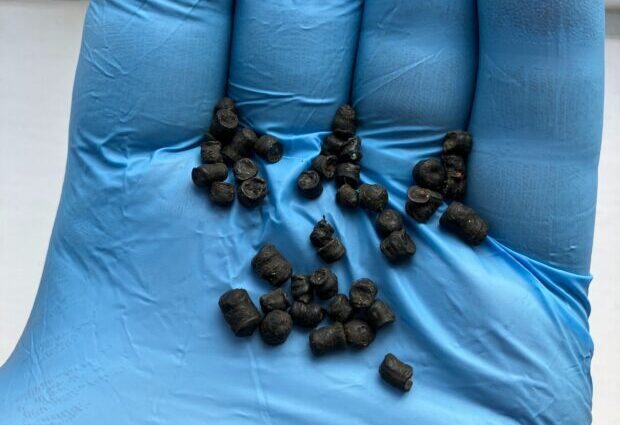
Residents, visitors and community groups have been shocked to find our usually golden sands speckled with these persistent microplastics. Volunteers and specialist groups have undertaken clean‑ups, and Rother District Council’s teams have worked hard to remove as much material as possible. Their efforts deserve recognition.
Yet, even as clean‑up efforts continue, many residents ask a simple question: how did this happen in the first place?
Southern Water has acknowledged equipment failure at treatment facilities. However, the frequency and scale of such incidents highlights a more troubling pattern of chronic under‑investment and weak accountability within the water industry.
For every bio bead seen on Camber’s sands, there are countless other smaller, unseen failures, happening upstream and offshore when waste water systems fail to protect the public and the environment.
Sewage Pollution in Rivers: Rother’s Waterways in the Balance
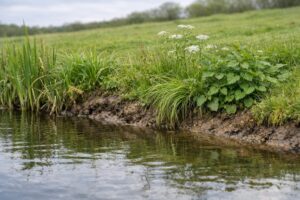
This crisis does not stop at the shoreline. Our rivers, lakes and streams that feed into the Rother have been subject to repeated sewage discharges and overflows. From Hawkhurst and surrounding rural catchments to tidal stretches closer to Rye and Winchelsea, frequent discharges from storm overflows and treatment works release untreated or partially treated sewage into watercourses.
These events harm wildlife, endanger public health, and undermine recreational use of the waterways. Anglers tell of reduced fish stocks. Families have reported foul odours and visible contamination. Local businesses that depend on clean water and healthy ecosystems, fishing guides, canoe hire operators, eco‑tourism ventures, have seen a chilling effect on trade.
Many residents who care deeply about the environment are aghast that this situation persists, despite increasing household water bills and persistent promises of reform from successive governments.
A National Issue With Local Consequences
While the impacts are local and very real to residents, the underlying problem stretches across much of England. Record numbers of sewage pollution events have been documented nationally over recent years. Antiquated infrastructure, combined with growing population pressures and increasingly intense rainfall linked to climate change, has overwhelmed systems that should have been upgraded long ago.
Regulators have too often lacked the enforcement strength needed to compel water companies to invest adequately. Where fines have been levied, they are often small relative to company revenues and executive bonuses, a dangerous signal that pollution can be treated as a manageable cost of doing business.
Recent government reforms have begun to tighten oversight. New legislation is trying to strengthen the powers of environmental regulators, ban executive bonuses tied to environmental failure, and impose stiffer penalties for pollution. These steps are welcome, but they must go further and faster if we are to see real change in Rother.
Why This Matters to Every Resident
For voters who care deeply about the environment, including those who have traditionally supported the Green Party, this is a moment to ask what meaningful environmental stewardship really looks like in practice. It means demanding essential services operate with ecological integrity and where public health and community welfare are not sidelined by corporate accounting or regulatory loopholes. It means arranging our institutions so that those who profit from essential services are the same ones held fully responsible when those services harm the environment.
Reform UK shares many of those environmental values but approaches them through a framework of accountability, transparency, and practical delivery. We believe protecting the environment is not just about aspirations but about enforceable standards, robust regulation, and real consequences for failure to meet them.
Reform UK’s Policy Prescription: Accountability, Transparency and Real Investment
To address the crises facing Rother’s coast and waterways, Reform UK has called for:
- Stronger Regulatory Enforcement
Water companies must face meaningful sanctions for environmental breaches. Fines should be proportionate to the harm caused and must be reinvested directly into infrastructure improvements in affected areas. - Transparent, Real‑Time Monitoring
Communities have a right to know when and where sewage discharges occur. Public dashboards showing real‑time data on sewer overflows, treatment plant performance, and pollutant levels should be standard practice. - Investment in Infrastructure Over Profits
Reform UK advocates that a legally enforceable portion of revenue be ring‑fenced for upgrading wastewater treatment works, storm overflow capacity and rural drainage systems – not diverted to shareholder dividends when standards are missed.. - Local Accountability and Community Partnership
Local councils, environmental groups and residents should have a meaningful role in planning and oversight of water infrastructure, ensuring solutions reflect local priorities and environmental sensitivity.
These are not radical ideas. They are common‑sense reforms that place environmental protection and community trust at the heart of how public utilities operate.
Voices from the Community
Walking along any of Rother’s rivers, Seafronts or coastal paths, you will meet people who care fiercely about the future of these places. Surfers, keen birdwatchers, families with children, people walking their dogs, they all express the same frustration. They want action, not another round of excuses.
Local businesses dependent on tourism know that nothing undermines visitor confidence like reports of pollution and plastic waste on our beaches. Conservation volunteers have spent countless hours on clean‑ups, only to see more materials wash ashore. Their dedication is inspiring, but the burden they shoulder should not replace the legal responsibility of water companies.
A Call to Action for Rother
Rother deserves better. Our beaches, our rivers, and our future generations deserve water companies that deliver clean water with environmental respect and technical competence. Reform UK stands committed to holding those companies to account and pushing for reforms that combine environmental protection with effective governance.
If you are concerned about the state of our rivers, frustrated by pollution on our coasts, and believe that action must finally match our community’s strong environmental values, join us in pushing for change that is real, practical and enduring.